Subscribe to our youtube channel today! @medellin_unfiltered

The First Thing You Should Do Before Meeting Anyone From a Dating App in Colombia
Meeting someone from a dating app in Colombia without verifying their identity is one of the biggest mistakes foreigners make, and it keeps happening because people trust profiles instead of proof. This survival-style guide walks you through how to check IDs, verify records, and protect yourself before a first meeting so you stack the odds in your favor.
PARTYINGDATINGFEATURE
Steve Hamilton
3/29/20264 min read
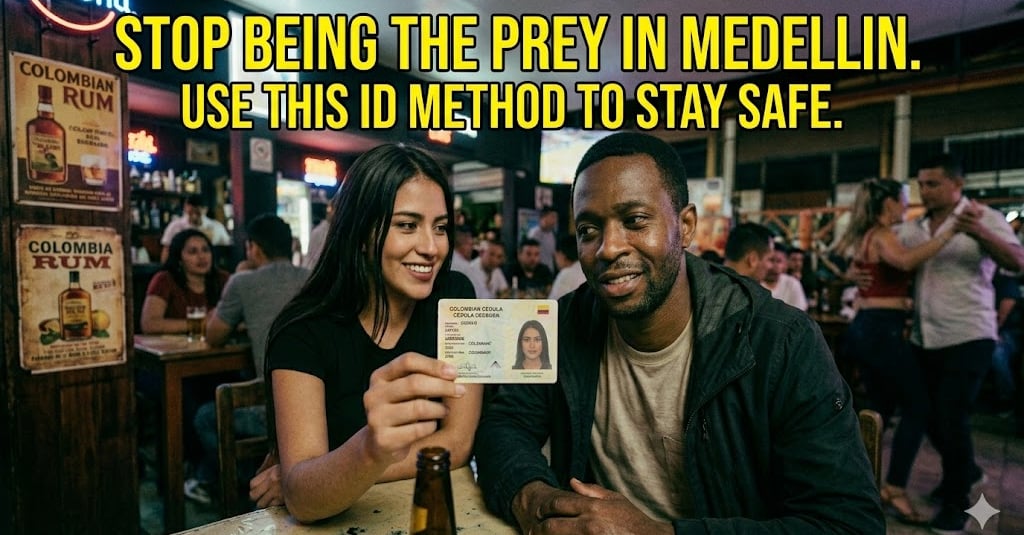
How to Verify Someone’s Identity Before Meeting From a Dating App in Colombia
Always request a photo of a government ID before meeting anyone from a dating app
Use the official Colombian police antecedentes checker to verify identity
Screenshot everything and store it in the cloud before meeting
Avoid situations where details feel vague, inconsistent, or rushed
Verify first, trust later, and never rely on profile photos alone
The Pattern That Keeps Repeating Itself
There is a pattern that keeps repeating itself in Medellín, and once you see it enough times you start noticing how predictable the mistakes are, because the same shortcuts lead to the same bad outcomes and most of them start with someone trusting a stranger on a screen. A profile photo looks normal, the messages feel friendly, the age seems believable, and the conversation moves quickly toward meeting in person, and that moment where excitement overrides caution is where people make decisions they wish they could take back. The reality is simple and uncomfortable at the same time. If you meet someone from a dating app without verifying who they actually are, you are taking a risk that is completely avoidable. Not every situation turns bad, but the ones that do almost always share the same early warning signs that people ignored.
The Mistake That Happens Before Anything Goes Wrong
Most foreigners assume the profile tells the truth, and that assumption becomes the foundation for every decision that follows, and that assumption is where the problem starts. One anonymized example that keeps coming up involves a visitor who matched with someone whose profile listed an age in the mid-twenties, with polished photos and friendly messages that made everything feel routine, and after a few days of chatting they agreed to meet without asking for identification or verifying anything beyond what was written in the profile. The meeting itself never turned violent, but the aftermath turned into a legal nightmare once inconsistencies surfaced around identity details that should have been verified before the first handshake ever happened. That situation did not begin with danger. It began with trust placed in the wrong place.
The Official Tool Most Visitors Don’t Know Exists
Colombia provides a public system that allows identity verification using official police records, and most visitors never use it simply because they do not know it exists. This is the official Colombian police antecedentes database:
https://antecedentes.policia.gov.co:7005/WebJudicial/index.xhtml
This tool allows you to verify whether the identity being presented matches real records, and while it does not reveal everything about a person, it provides an additional layer of confirmation that separates responsible decisions from reckless ones. Think of it as a checkpoint between curiosity and commitment. It is not perfect, but it is far better than guessing.
Step-by-Step: How to Verify Someone Before Meeting
Verification is not complicated, but it does require discipline, and discipline is where many people fail because excitement tends to rush decisions that should never be rushed. Start by asking for a clear photo of a government-issued ID, and do not accept blurry images or cropped photos that hide key details because incomplete information is often a warning sign rather than an accident. Once you have the ID, compare the name and identification number exactly as written, and use that information inside the antecedentes system to confirm the identity matches official records. After running the search, take screenshots of the results immediately and store them somewhere permanent rather than leaving them inside your phone gallery where they can be lost, deleted, or overwritten. Upload those screenshots to a cloud account that you control and make sure they are accessible from another device in case your phone becomes unavailable. These steps take minutes, but skipping them can cost far more.
Why Screenshots Are Not Optional
Screenshots create accountability, and accountability changes behavior in ways that casual conversations never do. Another anonymized situation involved a visitor who verified identification verbally but never documented anything, and when details later became questionable there was no record of what had been shown or said, leaving nothing to reference when clarity mattered most. Documentation protects memory from becoming unreliable, and it also protects you from relying on assumptions that fade over time. Take screenshots of the ID, take screenshots of the antecedentes result, and store them in the cloud before you leave your home. Not later. Before.
The Legal Reality That Gets Ignored
Age verification is not optional, and ignoring it creates risks that go far beyond embarrassment or inconvenience. There have been situations where someone relied on what was written in a profile rather than confirming identification, only to later discover that the listed age did not match official records, and by that point the situation had already moved into territory that carried legal consequences. That outcome was not caused by bad luck. It was caused by incomplete verification. If staying safe is the goal, stop chasing borderline situations that rely on guesswork or assumptions, because the margin for error in those scenarios is far smaller than most people realize.
What to Do If Something Feels Off
Instinct matters more than people like to admit, and hesitation often appears before facts become obvious. If responses feel inconsistent, delayed, or defensive when you ask for identification, that reaction alone should be enough to pause the meeting and reconsider the plan. No meeting is worth forcing when clarity is missing. Canceling plans early feels inconvenient, but fixing consequences later feels expensive, and choosing inconvenience early is almost always the smarter move.
Before and After: The Mindset Shift That Changes Outcomes
Before verification becomes a habit, decisions tend to rely on comfort and convenience, and comfort has a way of blinding people to risks that should be obvious. After verification becomes routine, the mindset shifts from trust-first behavior to proof-first discipline, and that shift quietly changes how situations unfold because preparation replaces improvisation. The difference between those two mindsets rarely shows itself immediately. It shows itself when something unexpected happens, and that is when preparation earns its value.
The Bottom Line Most People Learn Too Late
No system guarantees safety, and no checklist removes every risk, but ignoring verification entirely creates unnecessary exposure that can be reduced with a few deliberate steps taken before the first meeting ever begins. Ask for identification, verify it, screenshot it, and store it, and if someone refuses to cooperate with reasonable verification, treat that refusal as information rather than inconvenience. Because in Medellín, preparation is not paranoia. Preparation is survival.

Medellin Unfiltered
Discover the real Medellin, without filters.
CONTACT US
info@medellinunfiltered.com
© 2024 GWM Ventures. All rights reserved.
LEGAL