Subscribe to our youtube channel today! @medellin_unfiltered

What Colombia’s New Ruling Means for the Future of Medellín
Colombia’s latest ruling around prostitution and exploitation may signal a major turning point for Medellín, a city that increasingly became tied to fantasy, social media, and emotional tourism over the last several years. This piece breaks down what the ruling actually means, why locals are frustrated, and what the future of Medellín could look like moving forward.
FEATUREEXPATSDATING
Steve Hamilton
5/17/20265 min read
What Colombia’s New Ruling Means for the Future of Medellín
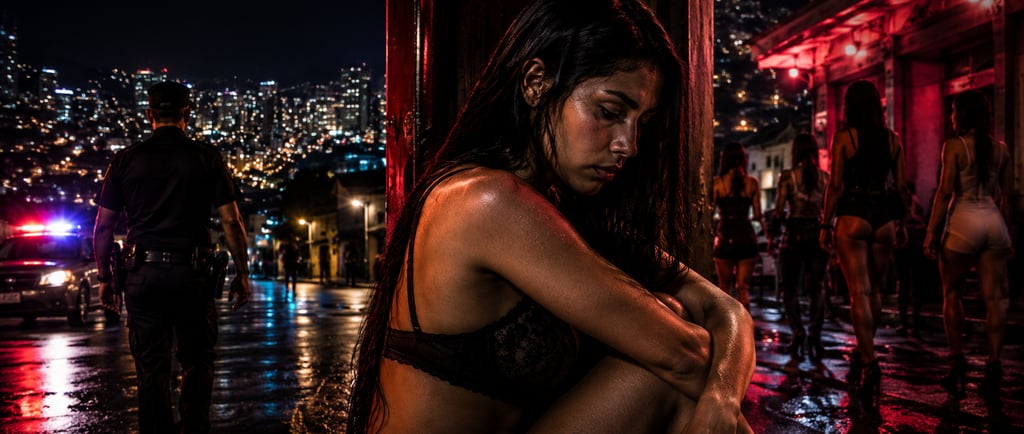
Colombia’s latest ruling may reshape how Medellín handles tourism, nightlife, and exploitation
The rise of “soft prepagos” blurred the line between dating, social media, and transactional relationships
Medellín exposed how modern loneliness and emotional validation became global industries
Many locals feel the city’s international image drifted too far toward fantasy and exploitation
The bigger question is whether Medellín can grow globally without losing one type of tourism
Over the last few years, Medellín stopped being treated like a real city and started being treated like an emotional fantasy for millions of people online, and honestly, I think both foreigners and Colombians are starting to realize the consequences of that at the exact same time because somewhere along the line this place stopped being marketed as simply a beautiful city in Colombia and instead became this global projection screen for people who were burned out, lonely, emotionally disconnected, divorced, financially exhausted, socially invisible, or just tired of feeling like modern life had become cold and transactional. And now Colombia appears to be reaching a point where parts of the country are looking around at what Medellín became internationally and asking a pretty uncomfortable question: what exactly are we selling to the world here?
Because if you have spent enough time in Medellín over the last several years, you can feel how dramatically the atmosphere changed once global algorithms got ahold of this city and started feeding people the fantasy that they could come down here, reinvent themselves overnight, date women completely out of their league, live like kings on middle-class incomes, and somehow outrun all the emotional frustration waiting for them back home. And honestly, I think many people bought into that fantasy so deeply that they stopped seeing Medellín clearly altogether because the city emotionally hit people in ways that went far beyond tourism, nightlife, or even dating itself.
One of the biggest mistakes people make when talking about Medellín is assuming the city exploded online simply because men wanted sex because that explanation is way too shallow to explain what actually happened here. People emotionally attached themselves to Medellín because this place created contrast, especially for foreigners coming from environments where life felt isolating, expensive, emotionally numb, socially fragmented, and increasingly digital. Then suddenly they arrived in Medellín where people were outside again, conversations happened naturally, music filled public spaces, strangers made eye contact, and life felt socially alive in a way many people felt disappeared back home. That emotional contrast was powerful, and once millions of people started projecting fantasies onto this city, entire industries began adapting around those fantasies incredibly fast.
That is when Medellín started transforming into something much stranger than a normal tourism destination because luxury tourism exploded, short-term rentals exploded, dating content exploded, the webcam industry exploded, influencer culture exploded, and eventually this entire gray-zone ecosystem formed around emotional experience itself. And honestly, this is where modern Medellín completely breaks people’s brains because much of this no longer exists through obvious transactional environments like old stereotypes people still imagine when they hear the word prostitution. Now huge parts of this ecosystem exist through Instagram, Facebook groups, Tinder, Telegram, WhatsApp, influencer branding, and what many locals quietly call “soft prepagos,” where what is often being marketed is not simply sex itself, but companionship, validation, luxury experiences, emotional attention, and what people commonly describe as the girlfriend experience.
The reason this conversation becomes so uncomfortable is because the lines inside these dynamics become blurry enough that many people participating in them no longer even fully experience them as transactional anymore, and I honestly think that psychological shift is one of the biggest untold stories in Medellín right now. Because what happens when emotional performance becomes monetized so gradually that eventually nobody fully knows where authenticity ends and strategy begins? And to be clear, this applies to everybody involved because social media normalized turning personality into branding, dating apps normalized gamified relationships, influencer culture normalized monetized attention, OnlyFans normalized subscription intimacy, and remote work globalized dating markets in ways society still does not fully understand yet. Medellín just happened to become one of the first places where all those forces visibly collided in public.
At the same time, I also think some foreigners living in Medellín completely lose credibility when they refuse to acknowledge the darker side of what has happened here because there absolutely are real exploitation concerns underneath parts of this ecosystem. There are trafficking concerns, there are criminal organizations attached to parts of the nightlife economy, there are vulnerable people entering situations out of economic desperation, and there are definitely foreigners arriving here treating Medellín like a consequence-free fantasy playground without respecting the city, the culture, or the reality of what is happening around them. But honestly, I think the other side of this conversation also oversimplifies reality because there are clearly adults operating inside these systems who are making calculated economic decisions inside a global economy that increasingly monetizes beauty, attention, companionship, and emotional labor everywhere, not just in Colombia.
That is why Colombia’s recent governmental shift is so fascinating because one of the biggest debates happening right now is whether cracking down harder on prostitution-related industries actually protects vulnerable people or whether it simply pushes more activity underground into less visible and potentially more dangerous spaces. Because if you really look closely, a huge amount of this ecosystem already moved underground years ago and now lives inside emotional gray zones, financial gray zones, and relationship gray zones where people increasingly struggle to distinguish authentic connection from emotional performance, especially once loneliness, money, beauty, status, validation, and fantasy all become layered together inside the same relationship dynamics.
And honestly, I think this is why Medellín has become such an emotionally loaded city online because underneath all the debates about prostitution, tourism, and dating culture, what people are really reacting to is a much deeper fear that modern human connection itself is becoming transactional in ways society still does not fully know how to process yet. That is the real tension underneath this whole conversation because Medellín did not create modern loneliness, emotional isolation, or transactional dating culture. If anything, the city simply exposed how widespread those dynamics already became globally, and it did so in a place where the emotional intensity, economic asymmetry, and social energy made those dynamics impossible to ignore.
The real story here is not whether prostitution laws suddenly change overnight. The real story is whether Medellín can continue attracting global attention and global money without eventually becoming emotionally hollowed out by the fantasies the internet projected onto it in the first place because despite what people online often reduce this city into, the reason many people emotionally connected with Medellín was never just nightlife, dating, or sex. It was because this city made people feel human again, and if that feeling eventually disappears underneath algorithms, branding, emotional commodification, and transactional culture, then honestly everybody loses because the locals lose, the foreigners lose, the culture loses, and Medellín loses the exact thing that made people emotionally connect with it in the first place.

Medellin Unfiltered
Discover the real Medellin, without filters.
CONTACT US
info@medellinunfiltered.com
© 2024 GWM Ventures. All rights reserved.
LEGAL